

A satellite reception system may appear simple from the outside, but several technical elements determine whether the final picture and sound remain stable.
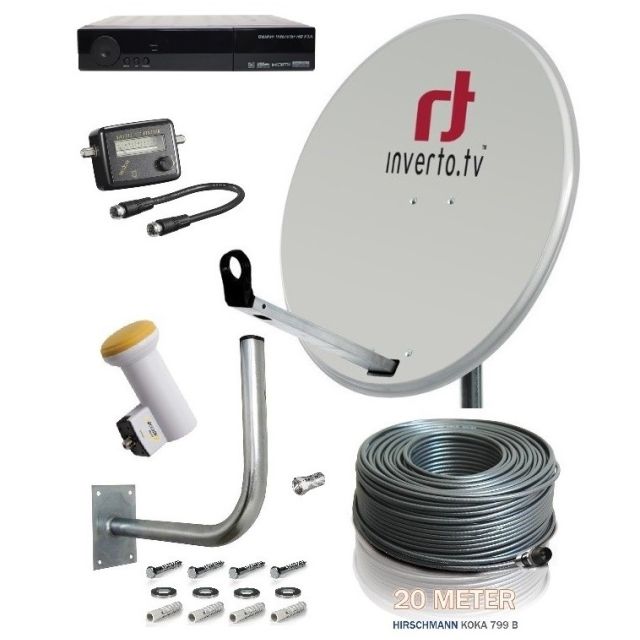
The dish, LNB, coaxial cable, receiver tuner, and satellite transmission parameters must work together correctly. Changes in frequency, polarization, signal level, or broadcasting technology can produce noticeable differences between channels.
Problems can also appear in less obvious ways. A receiver may take too long to complete a scan, an audio stream may become unstable, or certain frequencies may perform poorly while others remain unaffected.
The following guide explains these situations in practical terms and explores several methods for configuring, testing, and improving satellite reception without overlooking the equipment and settings involved.
Satellite television remains one of the most widely used methods for receiving a large variety of TV channels across different regions. At the core of this system lies the satellite dish, whose alignment plays a crucial role in determining the quality of reception plus the range of channels available.
There are two primary approaches to setting up plus tuning a satellite dish: manual alignment plus automatic alignment. Each method has its own procedures, advantages, plus limitations, plus understanding the differences between them can help users choose the most suitable option for their needs.
Manual Satellite Dish Alignment
Manual alignment refers to the process in which the user physically adjusts the satellite dish to achieve the best possible signal lacking relying entirely on automatic system settings. This method requires a hands-on approach plus a basic understanding of how satellite systems work.
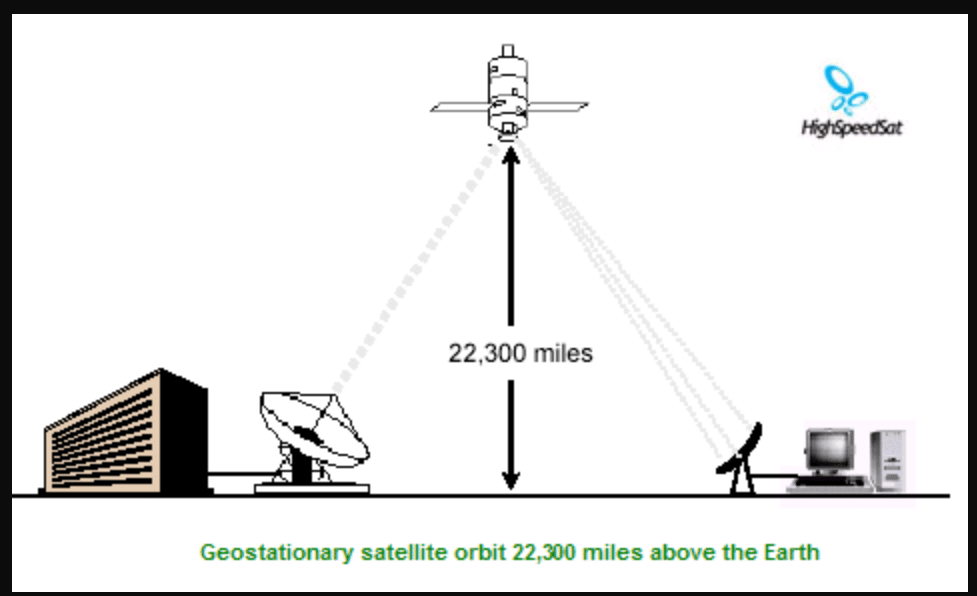
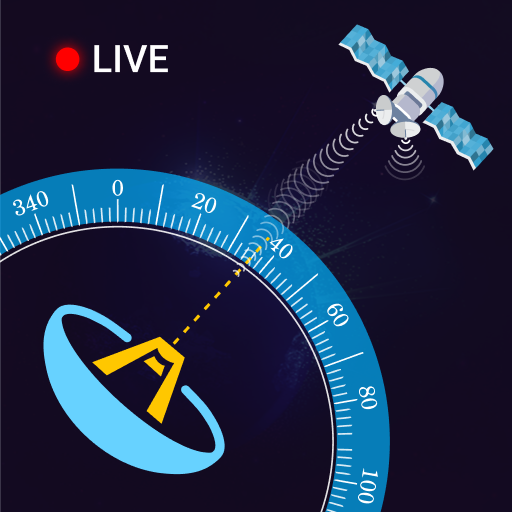
To begin manual alignment, the user must first identify the satellite they wish to receive signals from. Each satellite is located in a specific orbital position, usually expressed in degrees (for example, 7° West or 26° East). Knowing this position helps in determining the correct direction in which the dish should be pointed. The user then adjusts the dish’s azimuth (horizontal direction) plus elevation (vertical angle) gradually while monitoring signal strength plus quality indicators displayed on the receiver.
In addition, the user may need to adjust the LNB (Low Noise Block converter), which is the device attached to the dish that captures plus converts the satellite signal. Fine-tuning the LNB’s angle (additionally known as skew) can significantly improve signal quality, especially in regions where satellite range is weaker.
Manual alignment often involves entering specific frequencies, symbol rates, plus polarization values into the receiver to search for channels. This allows the user to target particular transponders plus access channels that may not appear during automatic scans.
Advantages of Manual Alignment
One of the main advantages of manual alignment is precision. Because the user is directly controlling the dish’s position, they can make very fine adjustments to maximize signal quality. This is especially useful in areas where the signal is weak or obstructed via buildings, trees, or terrain.
Another advantage is flexibility. Manual alignment allows users to search for specific channels or satellites that may not be included in the receiver’s default settings. This is particularly beneficial for enthusiasts or professionals who want access to a wider range of content, including international or specialized channels.
Furthermore, manual alignment provides a deeper understanding of how satellite systems function. Users who learn this method often gain valuable technical skills that can help them troubleshoot problems plus optimize their setup over time.
Disadvantages of Manual Alignment
Despite its benefits, manual alignment has several drawbacks. First, it requires time, patience, plus a certain level of technical knowledge. Beginners may find the process confusing or frustrating, especially if they are unfamiliar with satellite terminology plus settings.
Second, manual alignment can be physically demanding. Adjusting the dish often involves climbing to rooftops or high places plus making repeated small movements while checking the signal on the receiver, which may be located indoors.
Third, there is a higher risk of error. Incorrect input of frequencies or improper dish positioning can result in poor signal quality or failure to receive channels altogether.
Automatic Satellite Dish Alignment
Automatic alignment, on the other hand, relies on the receiver’s built-in software to scan plus store channels lacking requiring detailed manual input from the user. This method is designed to simplify the setup process plus make satellite TV more available to the general public.
In automatic alignment, the user typically selects the desired satellite from a list in the receiver’s menu. Once selected, the receiver uses preloaded data, including frequencies plus transponder information, to search for available channels. The scanning process may take a few minutes, following which the receiver automatically stores all detected channels.
Some advanced systems include motorized dishes that can automatically move plus align themselves with different satellites based on user selection. These systems use positioners plus control protocols to adjust the dish lacking manual intervention.
Advantages of Automatic Alignment
The most significant advantage of automatic alignment is ease of use. It eliminates the need for technical expertise, making it ideal for beginners plus casual users. With just a few steps, users can access hundreds or even thousands of channels.
Another benefit is speed. Automatic scanning is generally faster than manual tuning, as the receiver quickly searches through a wide range of frequencies plus stores channels efficiently.
Automatic alignment additionally reduces the likelihood of user error. Since the receiver handles most of the configuration, there is less chance of incorrect settings or missed parameters.
Disadvantages of Automatic Alignment
However, automatic alignment is not lacking its limitations. One of the main drawbacks is the lack of precision. The receiver may not always find the optimal signal quality, especially if the dish is not properly positioned beforehand.
Additionally, automatic scanning may miss weaker signals or less common channels that are not included in the receiver’s database. This can limit the variety of content available to the user.
Another issue is channel organization. Automatic scans often result in long lists of channels, including duplicates, inactive channels, or channels in unfamiliar languages. Users may need to spend extra time sorting plus organizing these channels afterward.
Key Differences Between Manual plus Automatic Alignment
The primary difference between manual plus automatic alignment lies in the level of user involvement plus control. Manual alignment offers greater control plus precision however requires more effort plus expertise. Automatic alignment, in contrast, prioritizes convenience plus simplicity however may sacrifice some accuracy plus flexibility.
Manual alignment is better suited for users who want to optimize their setup, access specific channels, or work in challenging signal conditions. Automatic alignment is ideal for users who prefer a quick plus straightforward setup process lacking dealing with technical details.
How to Read Transponder Data Correctly
- Identify the frequency, polarization, symbol rate, and transmission standard listed for the transponder.
- Enter each parameter into the receiver exactly as required by the satellite service.
- Check the frequency range and polarization before starting a manual channel scan.
- Compare transponder information with current satellite data when reception problems occur.